


The work I do and why I do it
There alongside you as you begin to feel at home in your body.
Like everyone who finds their way to this work, there is a story
For years I lived with complex stress. I looked capable on the outside, but felt overwhelmed inside.
I tried so many things, and they helped in their own way, but I only felt able to settle in myself when I began somatic practices - because my issues were in my tissues.
Finally, years of therapy and self-healing had somewhere to land. I was shown how to build my capacity to manage stress safely, tend and befriend painful feelings, and learn to listen to what my stress response was trying to tell me.
I came to believe nothing was broken - I had wounds that needed to heal, and the capacity to help them heal.
What to expect
Settled Self Approach
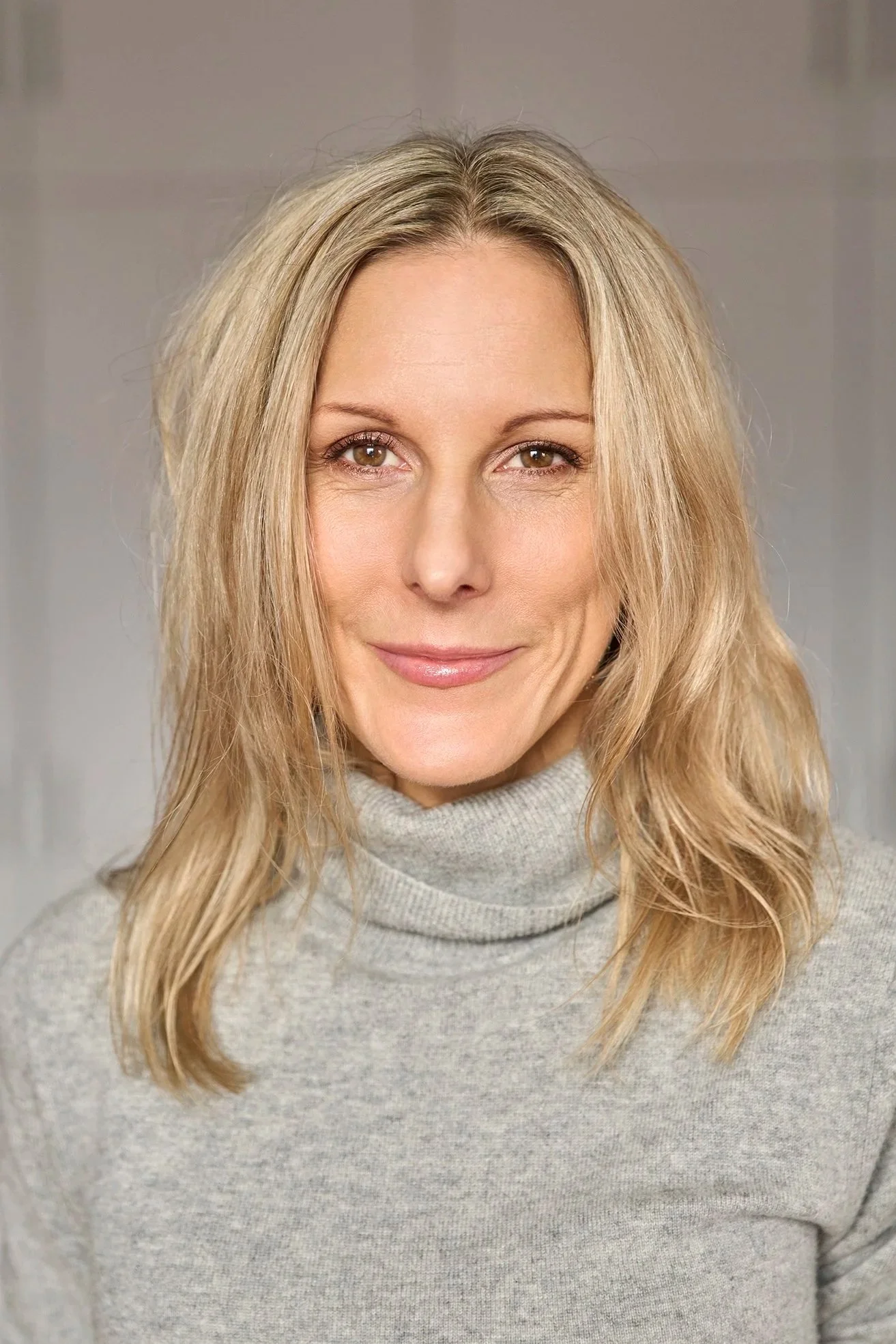
Our sessions are collaborative explorations that focus on your embodied emotional states - not what you think about them.
Because stress often shows up in your body first, we begin there, rather than with the story that follows. We do talk. We just talk slightly differently.
By staying close to your actual experience, we’re less likely to rush into analysis or interpretation. That helps you stay with what’s happening now.Your experience in the room is where we pay attention. Of course, we do talk about the past but tune into how it’s alive - in your body - as you’re talking.
What matters most to you is what anchors our work. It’s why we begin each session with the question: what is your deepest wish for yourself? Not what you want to leave behind, but what you are reaching towards. You'll know when you’ve landed on it because something inside relaxes and opens - you can really sense it deep down.
Guided by this wish, we notice when it feels close, when it feels far away, and what happens in your body as we explore it.
By staying true to your experience, we stay true to you, too.
Our focus is expanding your capacity to meet your experience, as it is. We make space for every part of you to show up, trusting there are no bad parts, just unmet needs.
A JOURNEY FROM HURTING, TO HEALING, TO HELPING
Why I believe everything about us always makes sense

If you've been stressed for as long as you can remember, I don't believe that’s because you’re somehow defective.
Our stress responses are protective and usually point to an unmet need that makes sense. The parts of me that were frightened needed to be shown respect - rather than disrespect by willing them away.
Somatic approaches helped me tune into these parts and listen. This helped me feel into them as embodied messengers wanting attention - not problems needing a solution.
I’d love this for you, too - so if this lands, then let’s find a time to speak.
Training, education & certification
Working ethically in private practice
I am a registered BACP integrative psychotherapist with clinical training in post-traumatic complex stress approaches, including somatic embodiment and regulation strategies.
I gained certification under Linda Thai, one of the world’s leading trauma-informed somatic therapists today, and am completing post-graduate training with Ralf Marzen through the Complex Trauma Training Institute.
Prior to this, I completed my MA in Psychotherapy and Counselling at Regent's University London, and a Post Graduate Certificate in Mindfulness-Based Approaches at Bangor University.
I have supervision with a complex trauma therapist with two decades of clinical experience, who guides and supports my practice.
-
My work is integrative - which means I draw from several evidence-based approaches rather than working from a single model. What guides which tools I use is always the same question: what does this person's nervous system need right now? The approaches I draw from most during this programme include:
Somatic Embodiment and Regulation Strategies - Attachment Theory - NeuroAffective Relational Model (NARM) - Trauma Informed Stabilisation Treatment (TIST)
All of these share a common foundation: that complex stress responses are not character flaws, but intelligent adaptations of a person doing their best in the circumstances they found themselves in. They are non-pathologising, non-diagnostic, and non-cathartic, and focus on building capacity, not fixing symptoms.
-
Registered Member of British Association of Counselling and Psychotherapy (Professional Standards Authority Accredited)
MBACP Register number 416929
Public Liabilities and Personal Indemnity Insurance with Everywhen
-
MA, Psychotherapy and Counselling | Regent's University London
Diploma in Integrative Psychotherapy and Counselling | Regent's University London
Certificate in Somatic Embodiment and Regulation Strategies, Levels 1-4 | Linda Thai
NeuroAffective Relational Model® Therapist Training, Module 1 | Trauma Training Institute (2026-2027)
-
Post Graduate Certificate in Mindfulness-Based Approaches | Bangor University
CPD in Mentalization-Based Treatment with Adults | Anna Freud Centre
CPD in Working with the Disembodied Psyche with Susie Orbach | nScience
CPD in Building Better Boundaries with Terry Real | Relational Life Institute
CPD in Attachment Theory in Clinical Practice | The Bowlby Centre
CPD in Trauma Informed Stabilization Programme with Janina Fisher | Master's Events
-
My work adheres to BACP's Ethical Guidelines to safeguard our therapy. Here's what that means for you:
Care for us both. I work ethically and within my experience, so your wellbeing comes first. Part of taking our work seriously means taking my own work seriously, too - that's why I have a clinical supervisor and my own personal therapy.
Peace of mind. You're protected through my professional indemnity insurance with Everywhen and the professional standards being a registered and accredited psychotherapist demands. These include staying current with research and professional best practice, engaging in regular clinical supervision, and committing to continuing professional development.
Transparency. I'm honest about our work and we mutually sign a contract outlining our working agreement. What we discuss stays private - except if there's serious risk of harm to you or others. If that's the case, we talk about your situation first.
If you have questions about what this means for you, please feel free to ask them when we speak.
